
Unlock the power of the S Curve to boost your project’s success rate! Learn strategies to harness this game-changing growth model.
Welcome to the world of project management, where success is not just a goal but a driving force. As a project manager, you understand that every decision and strategy you make can have a significant impact on the outcome of your projects. So, what if there was a secret weapon that could elevate your project success rate to new heights?
Introducing the S Curve, a game-changing growth model that has revolutionized the way projects are planned, executed, and delivered. By understanding and harnessing the power of the S Curve, you can propel your projects towards unprecedented success.
The S Curve represents the growth trajectory of a project, with specific stages that define its progress. By identifying which phase of the S-Curve your project is in, you can strategically plan and execute targeted tactics to maximize growth, overcome challenges, and mitigate risks.
Throughout this article, we will explore the fundamentals of the S-Curve model and its relevance to project success. We will uncover strategies and techniques to help you navigate each stage of the S-Curve, making informed decisions that will accelerate your projects towards victory.
Get ready to unlock the secret that industry leaders have been using to achieve remarkable project success rates. The S-Curve is your blueprint for success. Let’s dive in!
When it comes to project management, understanding the S Curve model is key to achieving success. The S Curve represents the growth trajectory of a project, illustrating how progress and performance fluctuate over time. By analyzing the different stages of the S-Curve, project managers can strategically plan and execute their projects for optimal results.
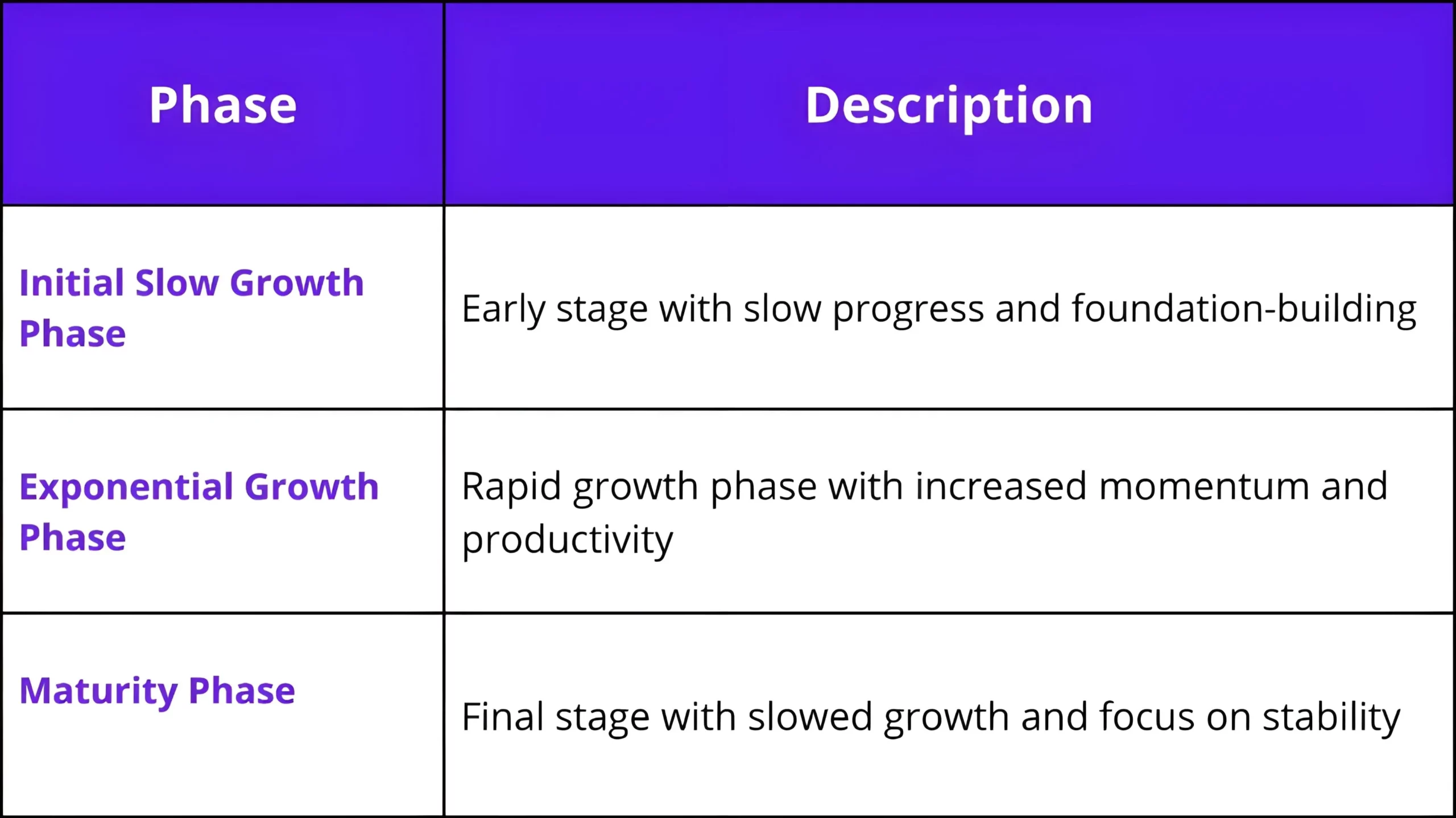
The S Curve follows a distinct pattern that can be divided into three main phases: the initial slow growth phase, the exponential growth phase, and the final maturity phase. Let’s take a closer look at each:
1. Initial Slow Growth Phase
This phase represents the early stages of a project where progress is typically slow and steady. During this phase, resources and efforts are invested in laying the foundation and setting up the project for success. While it may seem like progress is minimal, this is a critical stage as it establishes the groundwork for future growth.
2. Exponential Growth Phase
Once the project moves past the initial slow growth phase, it enters a period of rapid growth. This phase is characterized by increased momentum and productivity, as the project gains momentum and resources are utilized efficiently. It is during this phase that significant advancements are made, and the project reaches its peak performance.
3. Maturity Phase
The maturity phase marks the final stage of the S Curve, where the project reaches its saturation point. Progress and growth start to slow down as the project reaches its maximum potential. During this phase, the focus shifts towards maintaining stability and ensuring project completion. Project managers must carefully manage resources and make any necessary adjustments to sustain performance and avoid decline.
Understanding the S Curve model allows project managers to gauge the current stage of their projects and make informed decisions. By strategically planning and allocating resources according to the different phases, projects can navigate potential challenges and achieve success.
Strategies for Harnessing the Power of the S-Curve
When it comes to project success, understanding and leveraging the power of the S Curve is essential. By identifying which stage of the S Curve your project is in, you can implement targeted tactics to maximize growth and propel your project towards success.
One strategy for harnessing the power of the S Curve is to carefully manage the risks and challenges associated with each phase. By anticipating potential roadblocks and having contingency plans in place, you can navigate through hurdles and keep your project on track. This proactive approach minimizes the impact of setbacks and ensures consistent progress.
Another crucial strategy is the ability to adapt and pivot your project strategy as needed. As the S-Curve represents the growth trajectory of your project, different stages will require different approaches. Being flexible and open to change allows you to capitalize on emerging opportunities, optimize resources, and align your project strategy with the current stage of the S-Curve.
Furthermore, incorporating effective project strategies enhances your chances of success within the S-Curve model. This could include optimizing resource allocation, ensuring effective communication and collaboration among team members, and constantly monitoring and evaluating project performance. By implementing these strategies, you can increase efficiency, productivity, and overall project success rates.
Looking to take your projects to new heights with the S-Curve? Contact us now to discover how our expertise can turn your ambitions into real success!
StartEdge is a main partner in project management and controls, where you stand on the limits of dedication, precision and innovation.
contact@startedge.eu
Rue du Rabot 1b, 5190 Jemeppe sur Sambre
© 2024 Copyrights by StartEdge